Solar Powered Rainwater Project – Grid Tie vs Off Grid Solar
Solar Powered Rainwater Project Series
Follow the full series:
- Start here: Solar Power System Sizing Overview
- Solar Power System Sizing (The Math)
- Grid Tie vs Off-Grid Solar
- Solar Panel Tilt and Mounting
- How To Install Solar Panels On A Shed
- Buying A Great Solar Inverter Charge Controller
- Solar Battery Bank Design and Wiring
- Final Assembly and Testing
- Adding Solar Panels
- Solar water pump for well completed
Previously, we discussed the amount of power needed, and how that determines the size of the solar array. We also mentioned Days of Autonomy and how that informs battery storage. Now for Charge Controllers and Inverters, and grid tie vs off grid solar — the brains that tie everything together.
Quick Take:
- MPPT controllers are more efficient and worth it for larger systems
- Pumps require high surge capacity (5–7× running watts)
- Grid-tie systems shut down during outages
- Grid-assist systems provide backup and flexibility
Charge Controllers: Charging batteries with Solar-generated power
There are two categories of charge controller, Pulse Width Modulation (PWM) and Maximum Power Point Transfer (MPPT). Both have advantages. PWM charge controllers are generally less costly, and are best for smaller (under 200 watt) systems. They work by turning the direct current (DC) from the solar panels into a stream of pulses that vary in width and thereby control the amount of power transferred. This is great for small systems, but there is a cost — some of the power from the panel is wasted as the controller interrupts power to safely charge batteries.
MPPT charge controllers on the other hand, are more efficient. By transforming the power from the solar panels into the optimum voltage and current for the load, they allow the panels to work at their most efficient voltage — usually several volts higher than the load needs. There is a closer match between power supply and load. Unfortunately they cost more. For larger systems though, the added cost is more than compensated by the increased efficiency. I decided on an MPPT model.
Inverters: Using stored energy to do useful work
Now to convert power from the solar panels and batteries into Alternating Current (AC). Inverters do this but there are some special considerations. Normally, one would simply match the load, in this case less than 1000 watts, and get an inverter with at least that capacity or perhaps a little more. Pumps use capacitor-start motors however, and although my 3/4 horse pump may have a running load of only 900 watts, it’s starting current can be 5 to 7 times that while the motor spins up. Also, they run best on true sine wave power. Cheaper modified sine wave inverters may work, but the motors operate less efficiently and generate extra heat. In time, I want to run the well pump also. It has a 1 1/2 horse motor. With a run-time load of over 2000 watts, it might briefly need as much as 10,000 watts to start up.
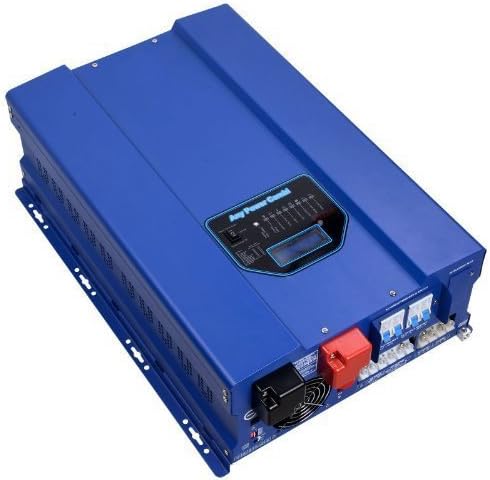
There are quite a few inverters on the market that will supply the required power, but I was put off by their expense. Then I spotted a model from Sun Gold Power. It came in several power capacities, and combined a 40-Amp MPPT controller and a charger in the same unit. Why a charger? The price was attractive though, so I gave it a serious look.
It turns out the charger made the Sungold unit capable of Grid-assist. I wanted the rainwater system completely separate from the grid, because grid-tie systems are disabled during a power failure. This seems counterintuitive, but it prevents feeding power back into the grid and endangering electrical workers who aren’t expecting live power in the dead system. It’s an important safely feature, but it defeats my purpose: to have water no matter what.
Grid Tie vs Off Grid Solar (What Actually Matters)
Grid-Tie
- shuts down during outage
- requires utility approval
Grid-Assist (your choice)
- grid backup
- batteries first
- UPS behavior
Off-Grid
- fully independent
- requires full sizing
Grid-assist systems work differently. Instead of feeding excess power back to the grid, that power is used to charge batteries. With a Grid-assist system, if the panels can’t produce enough power or there’s no sunshine, the grid can be used to run the system. The inverter can be set to prefer solar/battery power, so use of the grid is limited. It also acts like an uninterruptible power supply — loads are always powered. It can even start an outboard generator should both the solar and grid power fail at the same time. Also, unlike grid-tie systems, no approval is needed from the power company for installation.
So here’s what I bought:
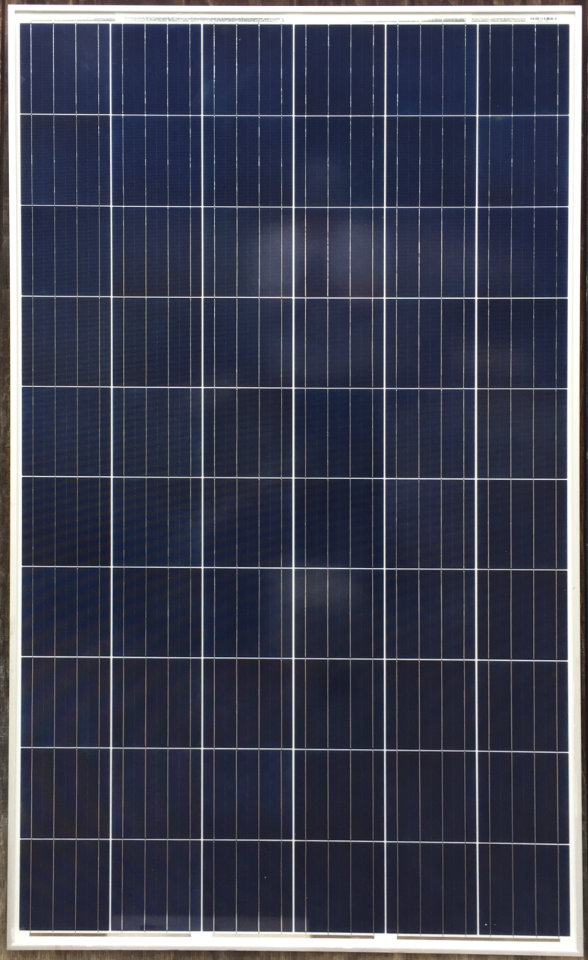
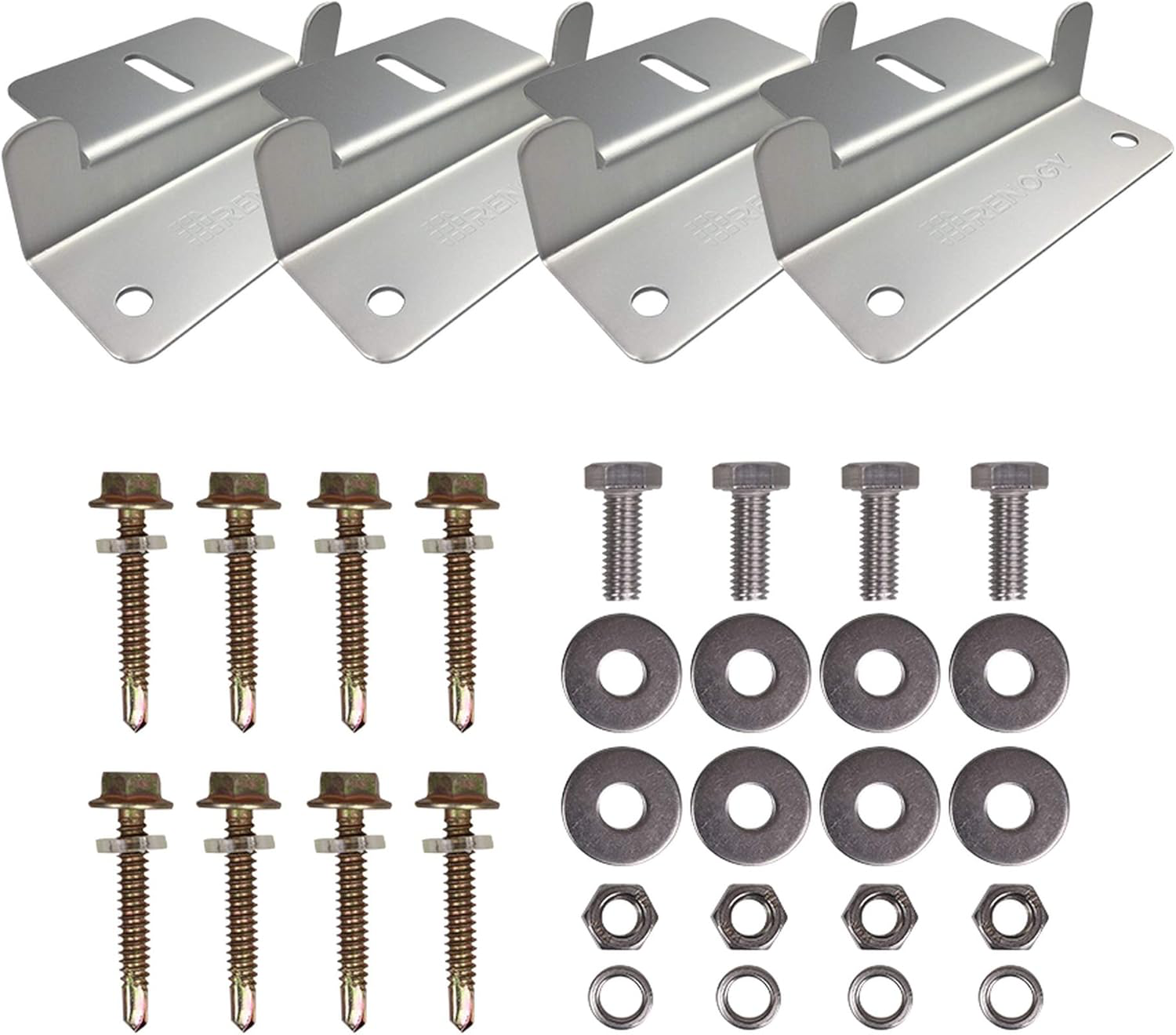
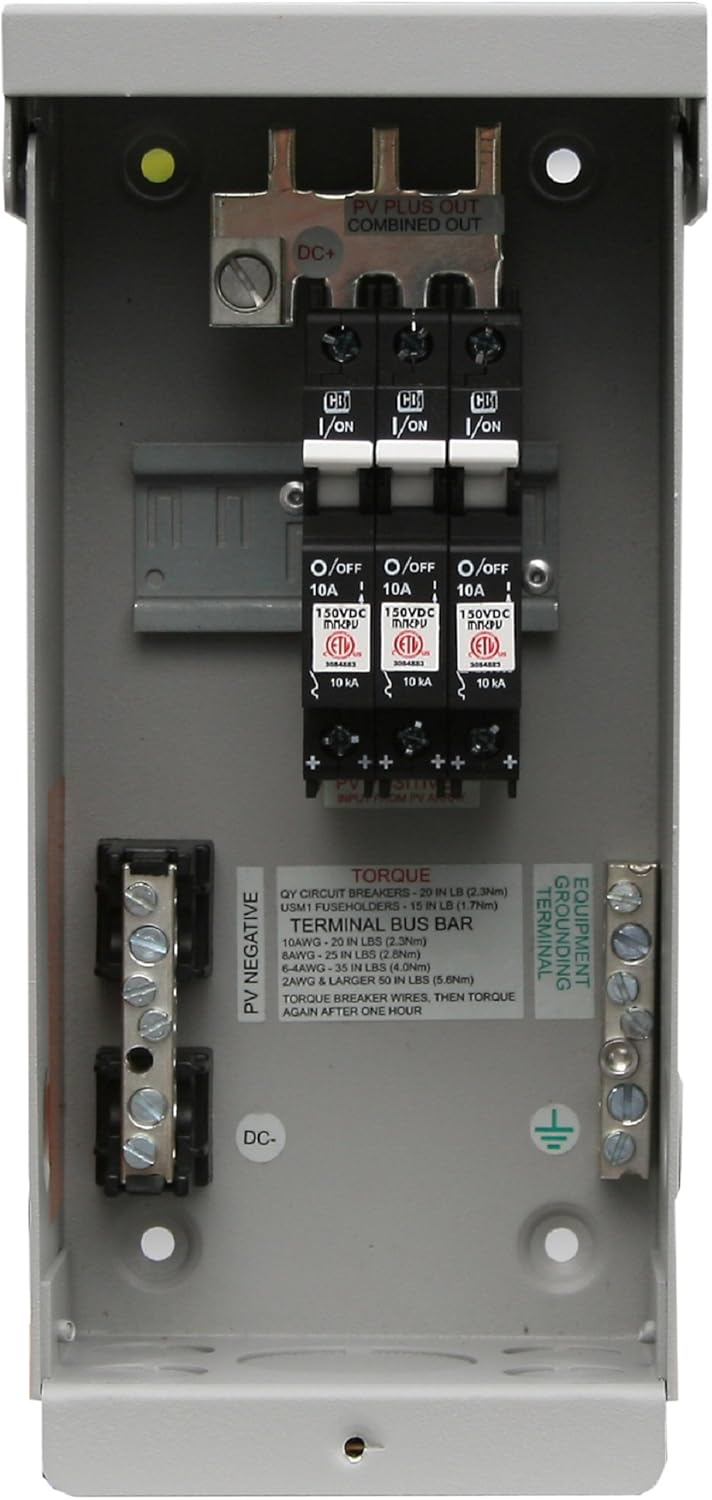
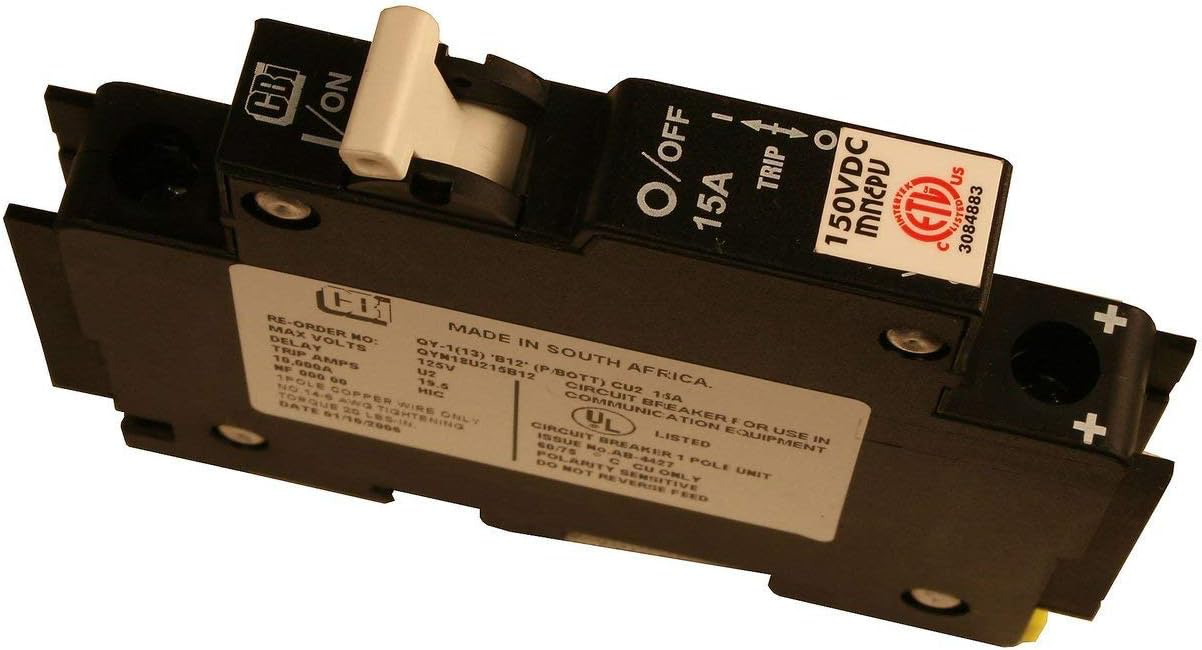
I plan to buy eight golf cart batteries from Costco (about $900) with an initial storage capacity of 48 volts at 205 Amp-hours. I’ll have to buy some wire and other hardware, probably under $50. Total cost for the system: just under $3000. There’s room for expansion as well. I could add another pair of solar panels increasing the collection capacity to 1000 watts. Batteries could be doubled in capacity. I’ll hold off on those upgrades until I see how we do.
Next post: planning the solar panel installation.
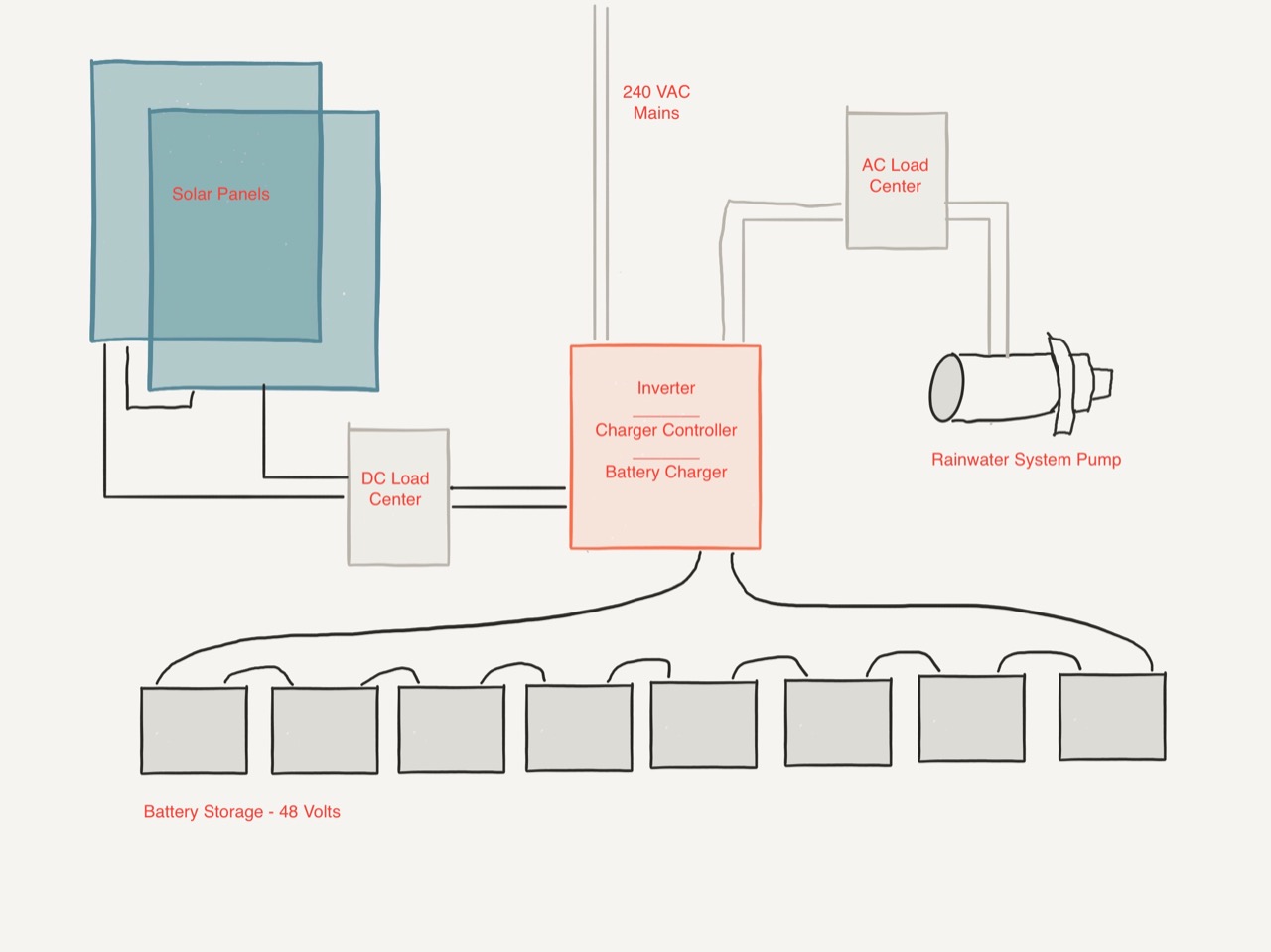
Basic solar water pumping system showing panels, inverter/charger, battery bank, and load distribution
Solar Resilience Project Series
Follow the evolution of the Roy Creek Ranch solar system:
Phase 1 — Foundational Systems
- Solar Power for the Amateur Radio Station (2015)
- Solar Powered Rainwater Project (2017)
- 2 kW Shop Solar System (2019)
- Build a Handy 12-Volt Solar Generator with LiFePo4 Batteries (2023)
Phase 2 — Expansion & System Upgrades
- Solar Power System Upgrade (2022)
- The Really Big Lithium Battery (2023)
- Solar EV Charging — Ioniq 5 (2024)
- Inverter Upgrade for EV Charging (2025)
- Solar Garage EV Charging (2026)
Pingback:Solar Powered Rainwater Project – Solar Panels Installed! | Roy Creek Ranch
Pingback:Solar Powered Rainwater Project – The Chinese Connection | Roy Creek Ranch