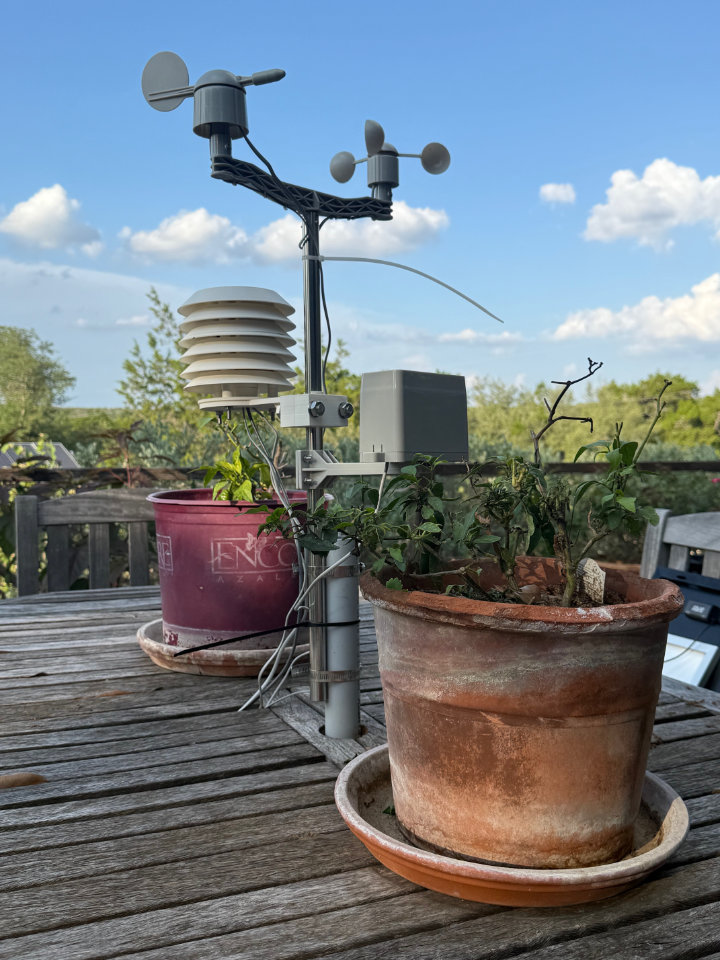
DIY Garden Weather Station (3D Printed, Solar Powered Sensor Build)
Weather has always shaped life in the Texas Hill Country, but changing conditions have made local monitoring increasingly useful. This DIY garden weather station combines custom 3D printed parts, environmental sensors, and a small solar-powered electronics system to provide real-time data for the gardens and water systems at Roy Creek Ranch.
The original goal was fairly simple: measure local temperature, humidity, rainfall, and environmental conditions near the garden area instead of relying entirely on regional weather reports. But, as often happens with projects like this, the idea evolved into something more capable. The station now ties into the broader monitoring systems already in use around the ranch, including solar power management, water systems, and Home Assistant automation.
Why Build a Garden Weather Station?
Like many projects at Roy Creek Ranch, this one attempts to balance simplicity, flexibility, and resilience. The weather station is designed around low-power components, rechargeable battery operation, and solar charging so that it can continue operating independently during outages or poor weather conditions. In highly leveraged times, small changes in environmental conditions can have outsized effects on larger systems. Having accurate local information helps make better decisions before problems become emergencies.
Regional forecasts are useful, but they rarely describe the actual conditions at a specific location. Anyone who has spent time in the Hill Country knows that rainfall can vary dramatically over surprisingly short distances. One property may receive several inches of rain while another, only a few miles away, remains dry.
That variability matters when managing:
- gardens
- rainwater storage
- irrigation
- solar power systems
- well water usage
Recent drought conditions have made this even more apparent. After months of unusually dry weather, the well system at Roy Creek Ranch recently triggered its first low-water alarms in many years — an early reminder that environmental conditions can change slowly, and then suddenly. Projects like this weather station help make those changes visible before they become serious operational problems.
Design Goals
The station was designed with several practical goals in mind:
- Low power consumption
- Solar-powered operation
- Outdoor durability
- Modular sensor expansion
- Easy maintenance and repair
- Integration with Home Assistant and Apple Home
The system uses a combination of custom 3D printed parts and commercially available electronics modules. The enclosure and mounting hardware are designed to be easy to reproduce and modify as the project evolves.
Parts List
Core Electronics
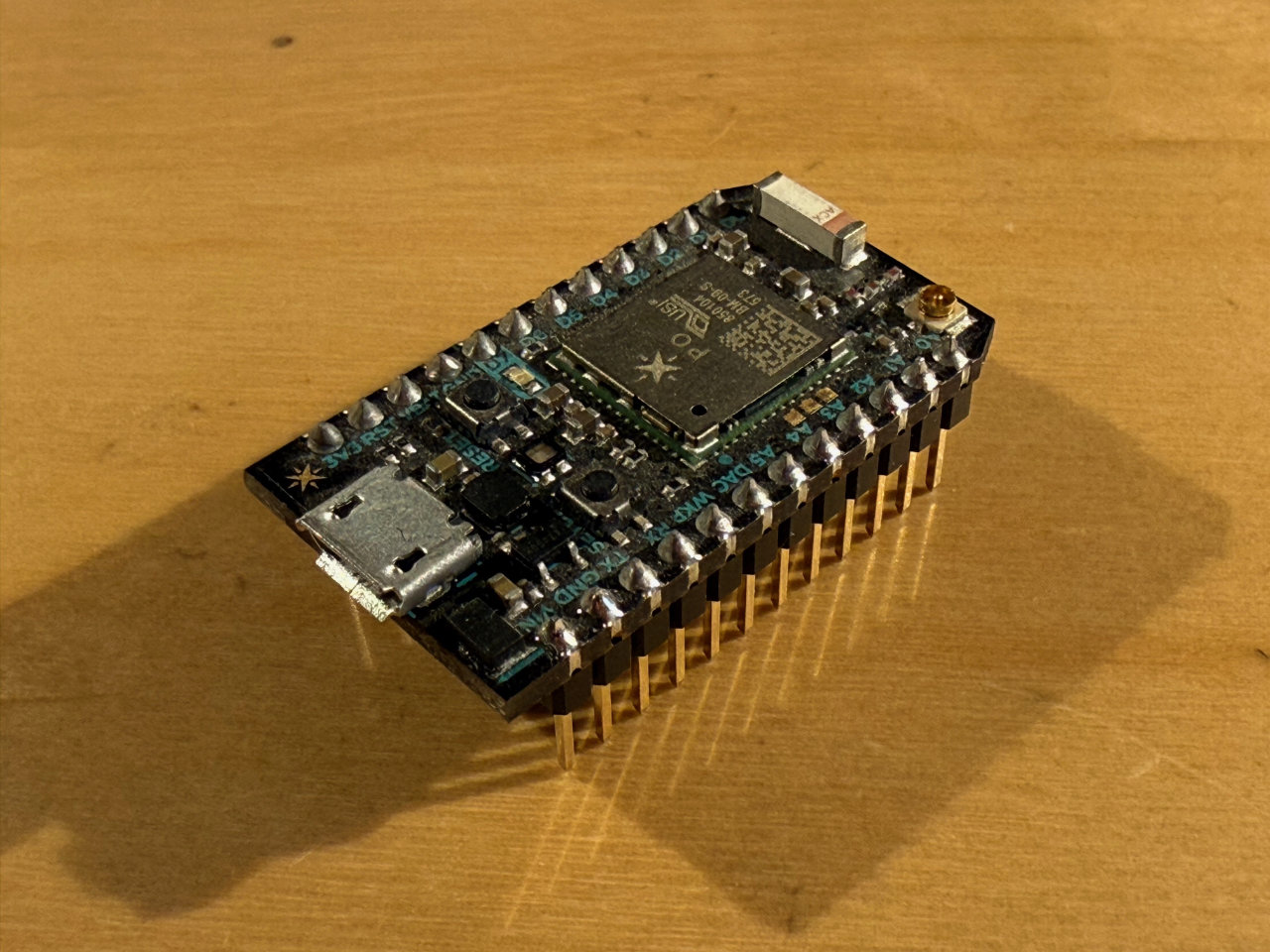
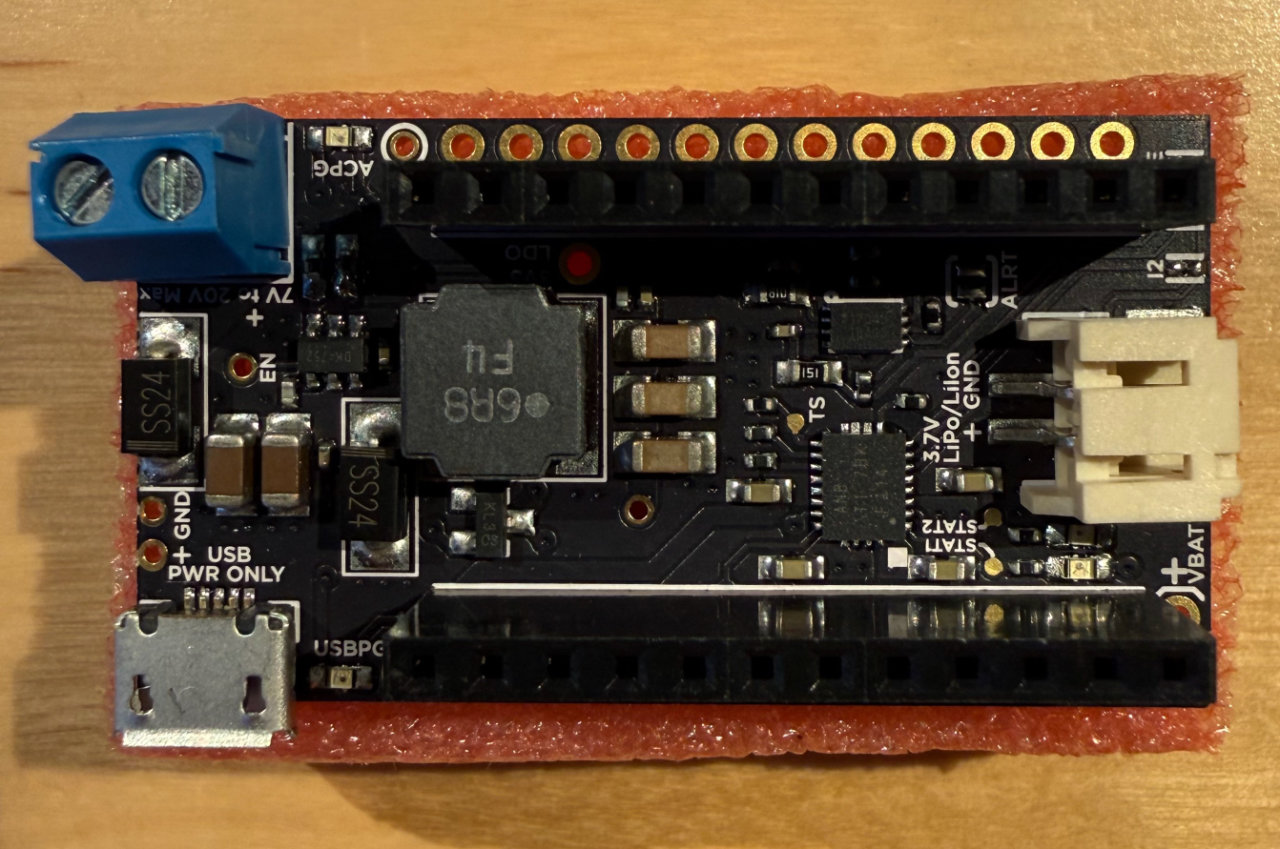
- Particle Photon (legacy but still functional)
- SparkFun Photon Weather Shield (legacy hardware)
- Particle Power Shield with headers v2.1
- Weather Meter Kit (anemometer, rain gauge, mounting hardware)
- 6000mAh LiPo battery
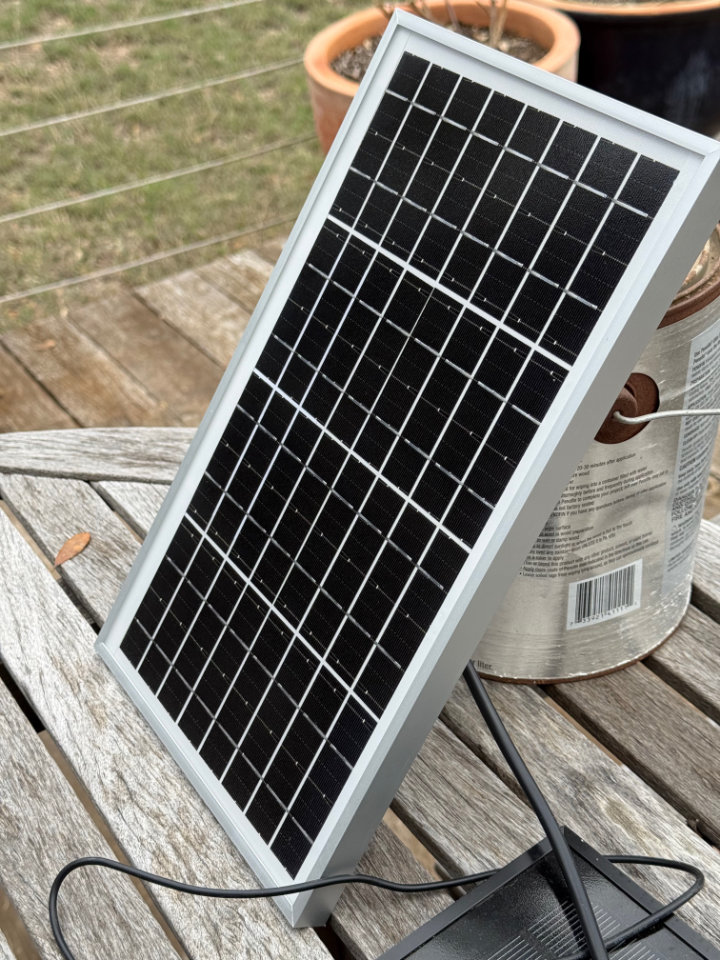
- Small solar panel
Mechanical Components
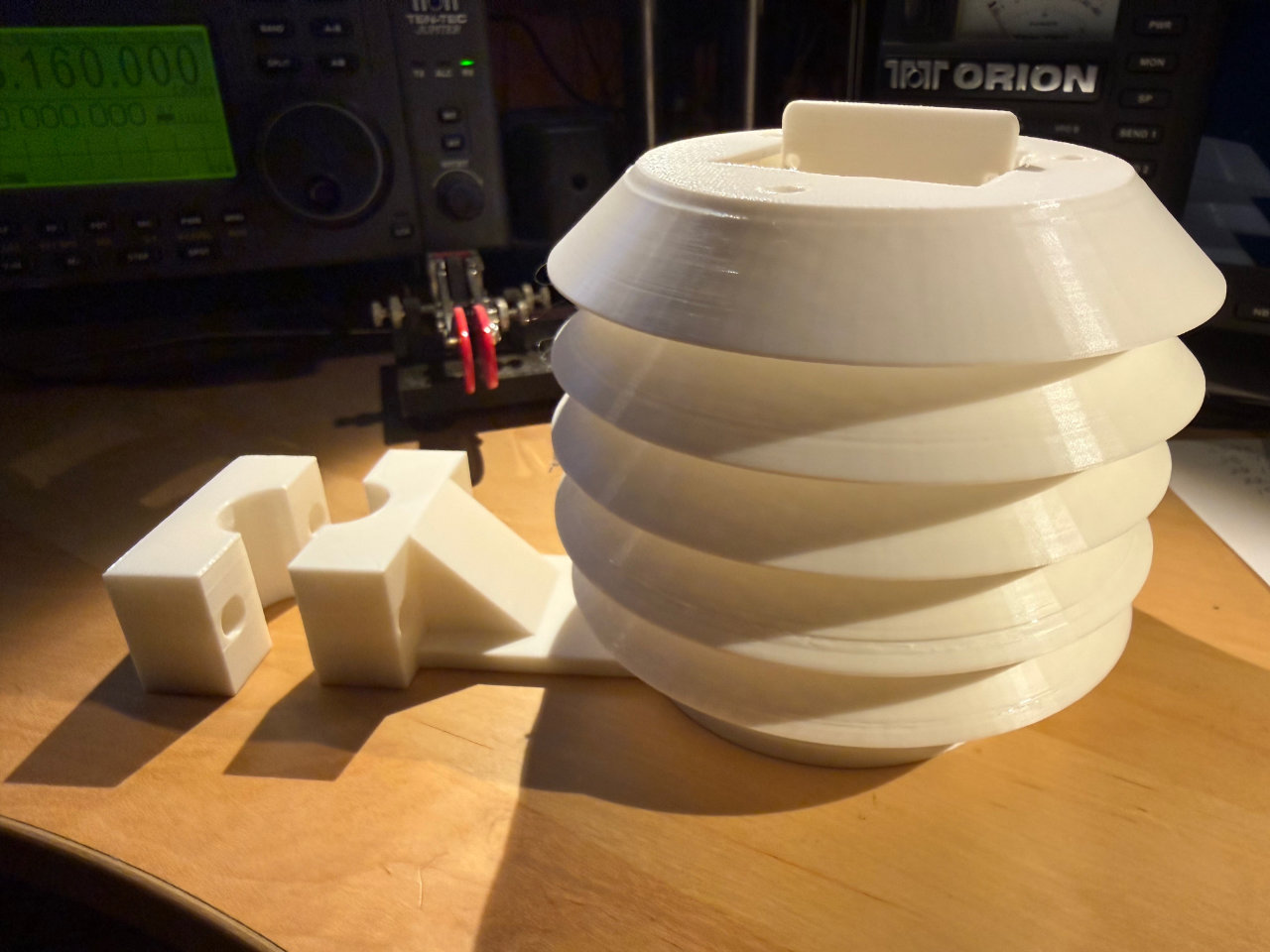
- 3D printed PET enclosure components
- Stainless threaded rod
- Stainless mounting bolts
- Krylon white UV-resistant paint
Several components used in this project have since been superseded by newer hardware, but the original modules remain stable, well-documented, and continue to work reliably for low-power monitoring applications.
Software / Integration
- Particle firmware IDE (Visual Studio)
- MQTT
- Home Assistant
- Apple Home integration
3D Printed Enclosure and Mounting System
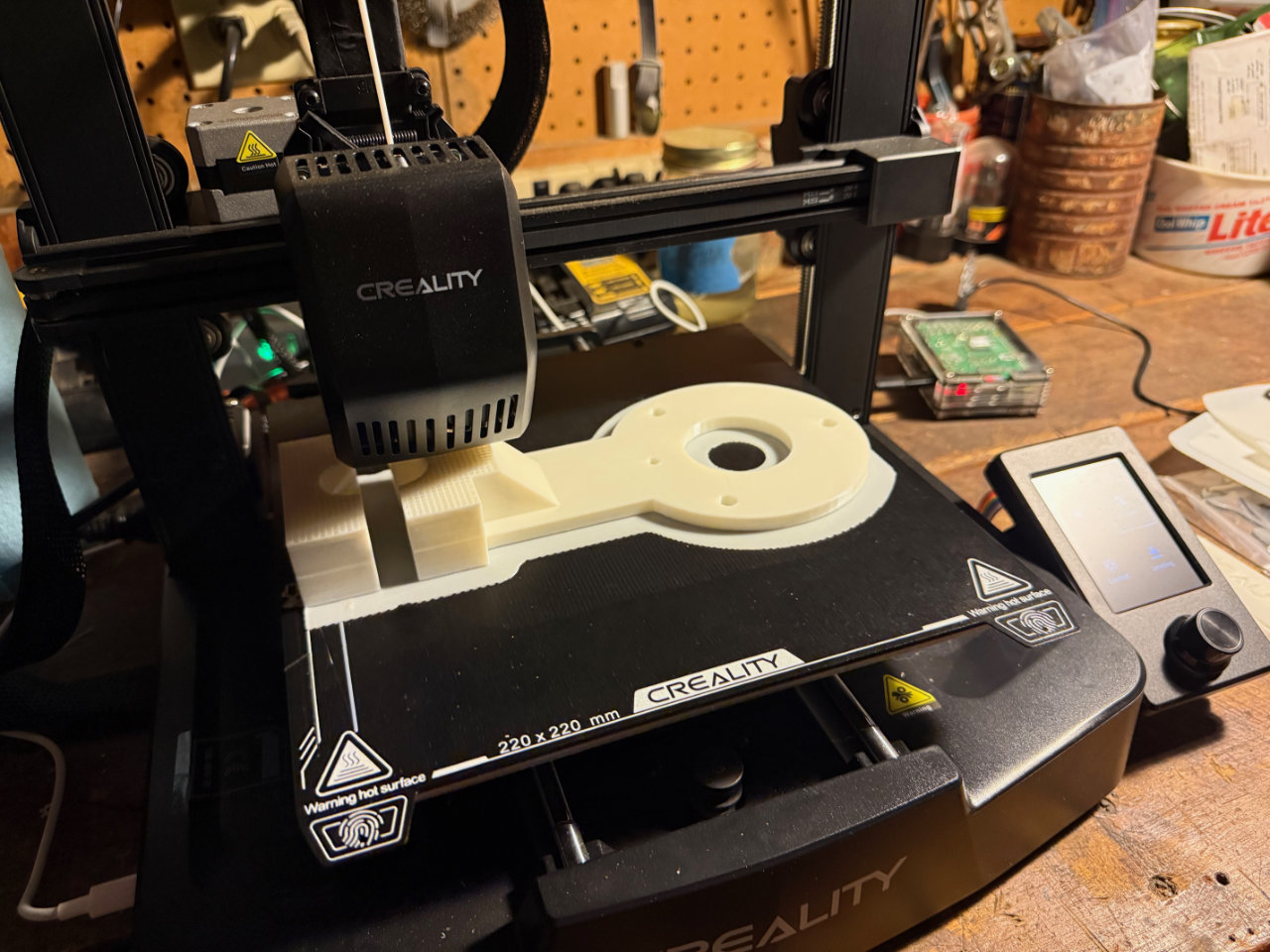
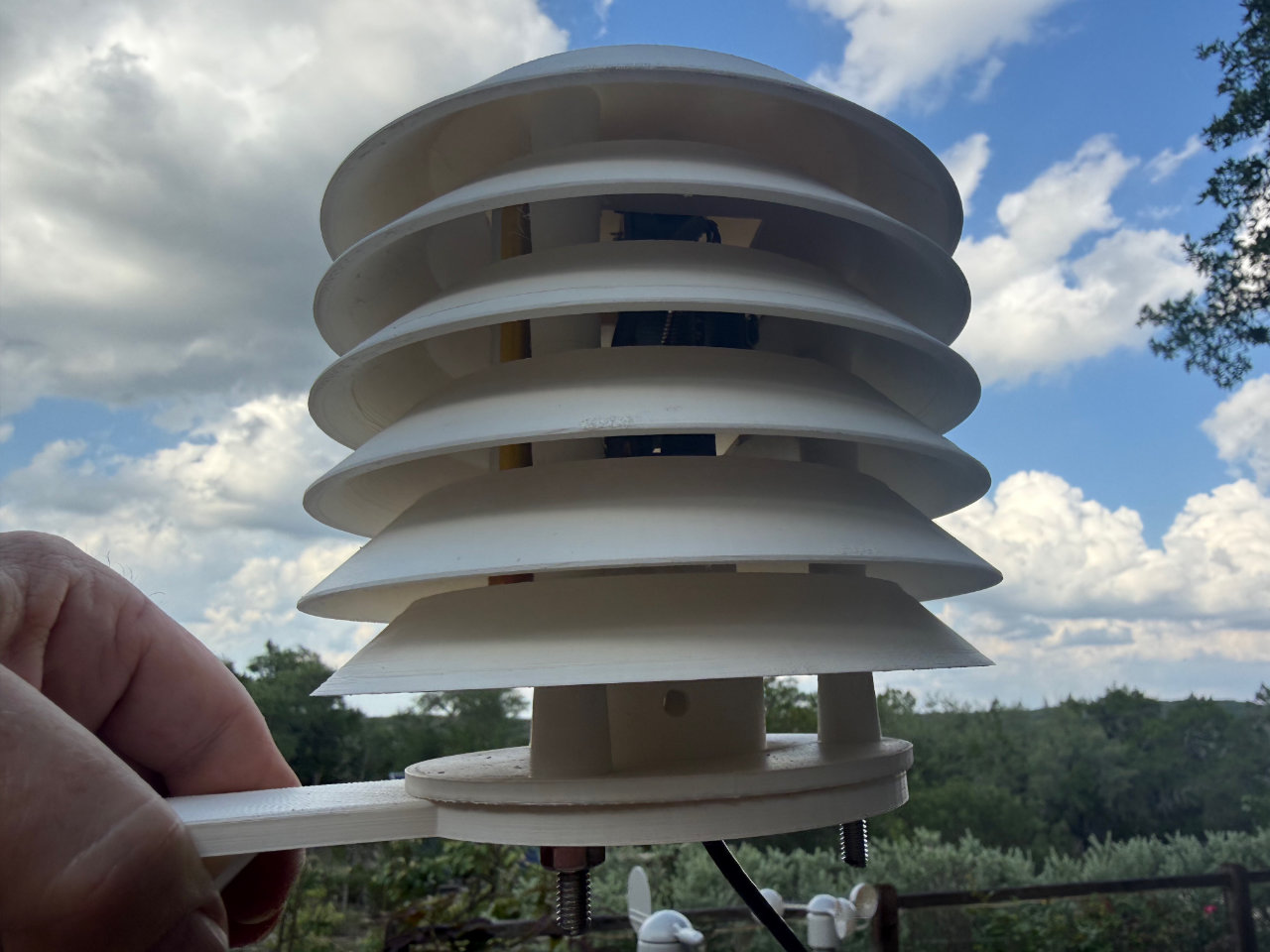
One advantage of modern 3D printing is the ability to rapidly prototype custom outdoor hardware. Several parts of the weather station — including mounting brackets, sensor supports, and enclosure components — were adapted specifically for this project from designs shared with the maker community on Thingiverse. The primary enclosure is based on the “Cocito Weather Station” radiation shield design, which I enlarged by approximately 25% for most components. The circuit board mount was adapted from the “Radiation Shield Fin for SparkFun Weather Stack” project. All parts were fabricated on an Ender 3 V3 printer.
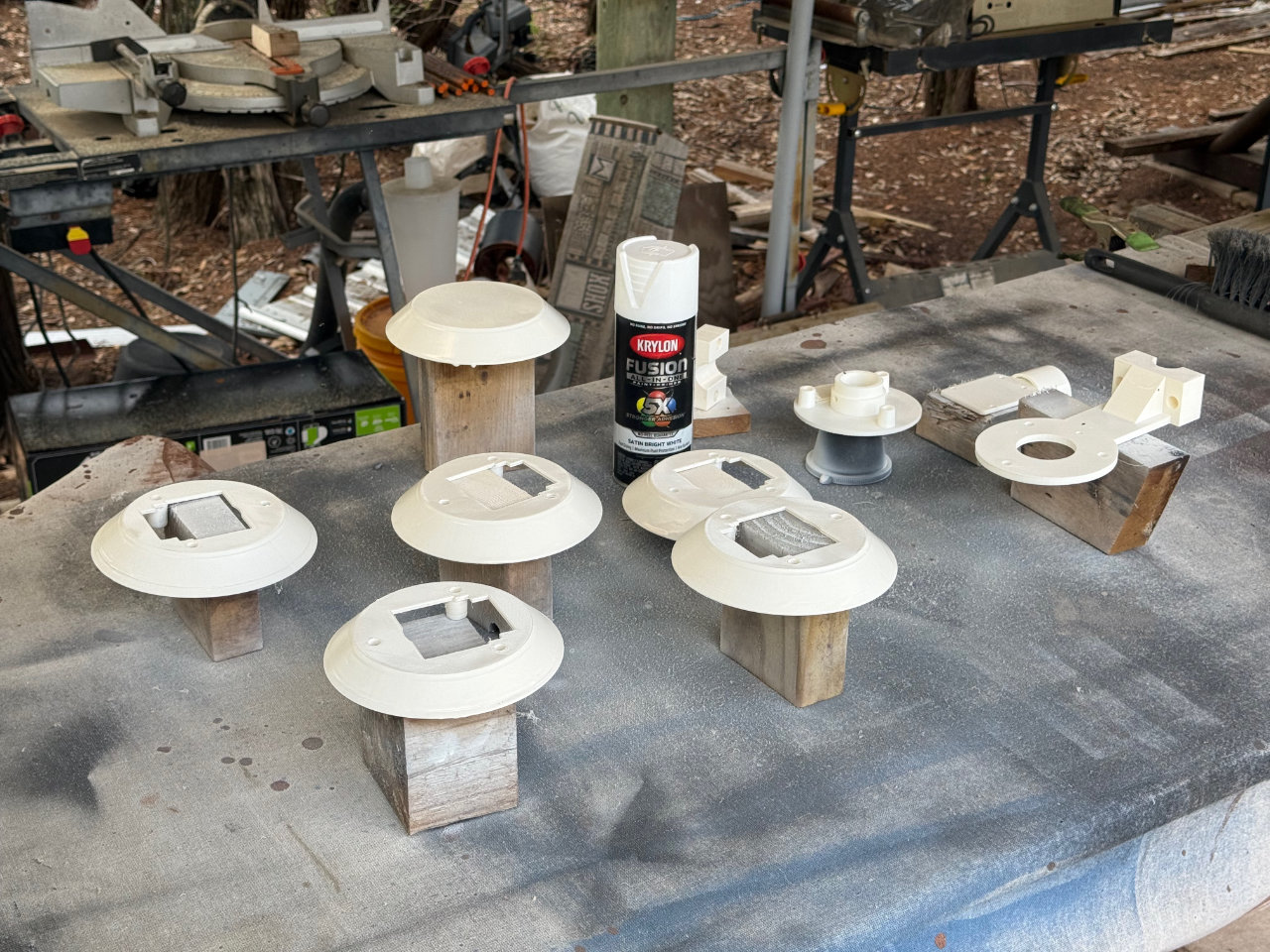
The components were printed in PET filament and coated with white Krylon paint to improve ultraviolet resistance and reduce solar heating during Texas summer operation. It’s a practical solution that appears to work well.
The enclosure design attempts to balance:
- airflow for accurate sensor readings
- protection from direct rain and sunlight
- ease of assembly
- long-term outdoor durability
Like many outdoor projects in Texas, ultraviolet exposure and heat are major design concerns. White filament was selected to reduce solar heating and help extend component life during summer operation.
Electronics and Sensors
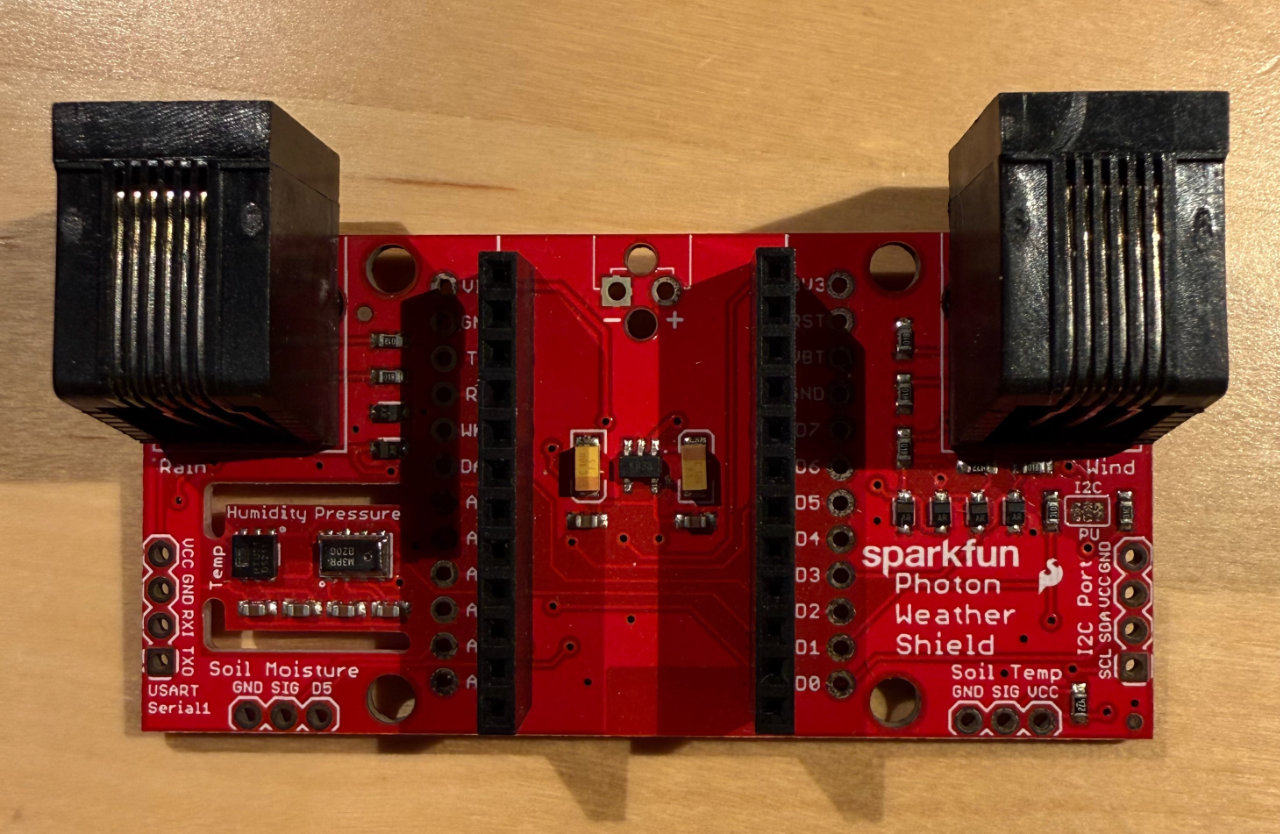
The electronics are built around the Particle Photon ecosystem, combined with a SparkFun Photon Weather Shield, and battery management hardware.
The station currently monitors:
- temperature
- humidity
- barometric pressure
- wind speed and direction
- rainfall
- battery voltage
- charging state
Additional sensors may be added later as the system evolves.
Power is provided by a rechargeable lithium battery system charged from a small solar panel. The low-power design allows the station to continue operating for extended periods with minimal maintenance.
Integration with Home Assistant
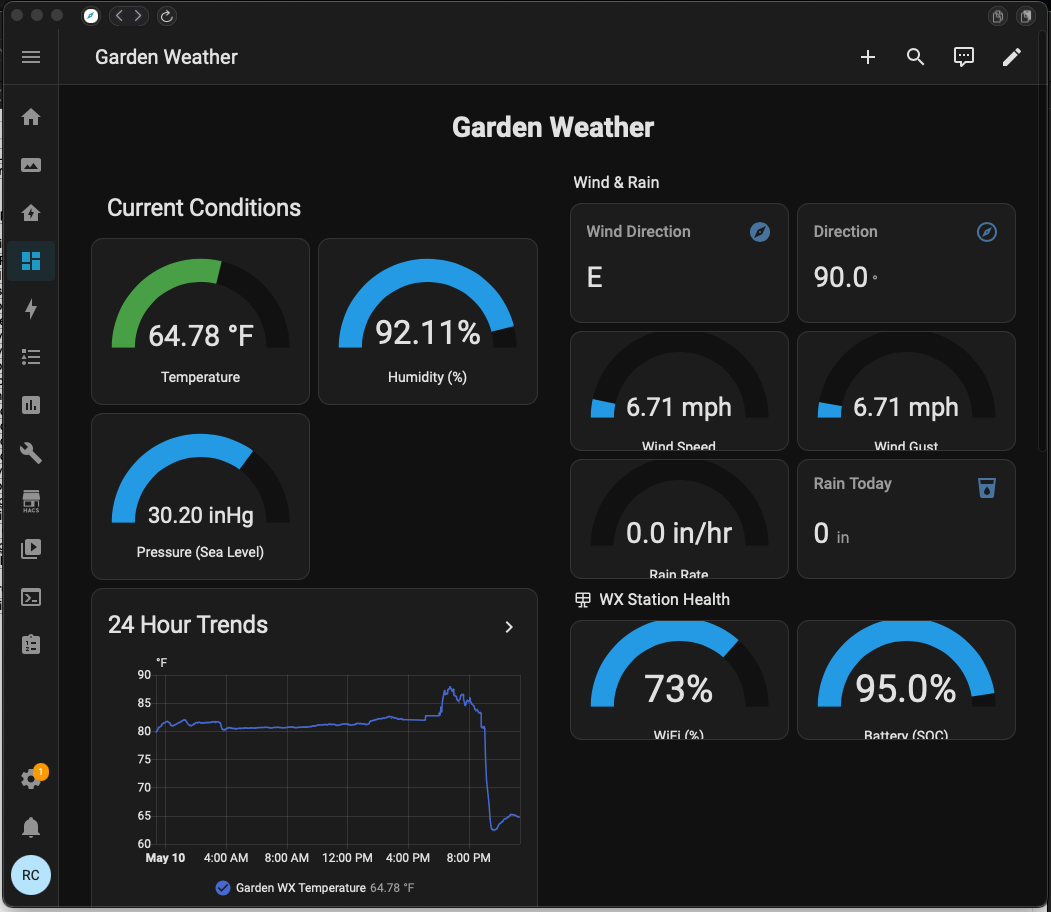
One of the goals of the project is to integrate local environmental monitoring into the broader ranch automation system. Data from the weather station is shared with Home Assistant, where it can be used for:
- environmental monitoring
- irrigation decisions
- power management
- alerts and notifications
- historical logging
I often joke that I can’t keep up with a Hill Country property without my “robots,” but there’s some truth in that statement. Systems like Home Assistant make it possible to coordinate weather, water, and power information in ways that would have been difficult or impractical only a few years ago.
Initial Testing and Deployment
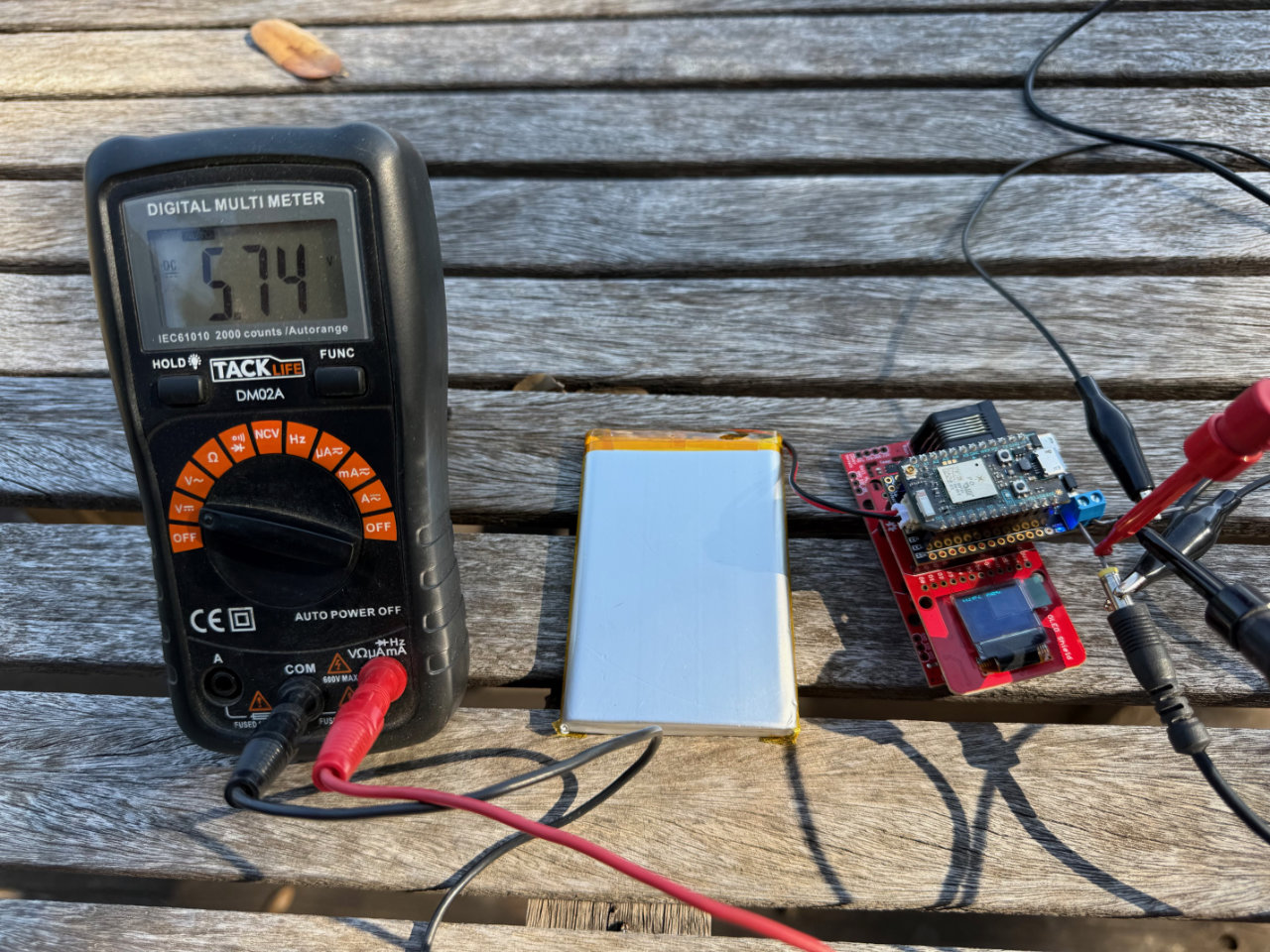
Early testing has already proven useful for validating power consumption, enclosure design, and wireless connectivity. For example, while operating the Weather Station on the deck near our house, an extended overcast period discharged the LiPo battery far enough that the station shut down. I assumed the battery was ruined, but after recharging it through USB it recovered and the station came back to life. That suggests the battery/power-management system may be protecting the LiPo from excessive discharge, though I’ll need more testing before depending on that behavior. That kind of real-world testing is difficult to simulate on the bench and is one reason extended outdoor deployment matters for off-grid solar systems.
At the moment, the station is entering extended testing and calibration. Outdoor electronics projects always require a certain amount of real-world refinement once exposed to heat, rain, sunlight, insects, and wind. Additional refinements will likely follow as the station moves into long-term operation.
What’s Next
Future plans include:
- additional environmental sensors
- expanded solar monitoring
- integration with rainwater storage systems
- automated irrigation logic
- long-term environmental trend tracking
As conditions continue to change in the Texas Hill Country, projects like this weather station become increasingly valuable — not because they predict the future, but because they help make present conditions visible before they become larger problems.
Readers interested in the underlying electronics, firmware, and Home Assistant integration details can follow the more engineering-oriented discussion at jimkerkhoff.com, where I’ll be documenting the hardware and software development process in greater detail.